Sometimes you'll come across a perfectly acceptable second-hand guitar that is suffering from an awful paintjob. These are excellent candidates for snapping up cheaply to give them the finish they deserve!
Here are the basic tools you will need to get this job done. On the right are a few that aren't necessary but they do come in handy when working on this type of stripping project!

Here is why this body is a very good candidate for using a chemical stripper. It has already been refinished by somebody else. Often that can be the case when you're buying second-hand out of a pawn shop or off an Internet auction. These are often really good deals too. Don't be surprised if you run into body imperfections when stripping one that has already been refinished. It is very common and we will deal with how to take care of those issues in another tutorial.
Best Way To Remove An After Market “paint” Job?
If the body has a factory finish, it might not always be an ideal candidate for chemical stripping. Generally the modern paints used in factories are near bullet-proof after curing, and even when you get the top layers off you may well still have an epoxy sealant to deal with. If you want to get through to the wood itself, either strip as much off using this chemical method as possible and then move onto sanding or just sand through the lot. If you're just wanting to repaint the body, stripping the original paint down to an original sealant is a good thing - the factory work is usually a great base to work from!
OK let's get started. Wearing your gloves lay the body down on your newspapers and start to paint the chemical stripper over that one side with your disposable brush. We're only doing one side at a time. You need to have a stack of newspaper under your body - you will change it out for every action that you take along this process. Since the grain of the wood in guitar bodies runs from top to bottom and not across, spread the stripper in this direction only. Paint it on working from one end across to the other rather than using a back and forth motion. This ensures that stripper that has already gone to work on the paint isn't being spread around onto fresh areas where it will be less effective. Some of the stripper will run over the sides - this isn't a bad thing since it will help loosen up the paint for when you get to that. Don't worry about it too much, but don't push lots of stripper over the sides as it will just fall off and go to waste.
Next comes the most boring part! Cover the face of the guitar you have applied the stripper to with Saran wrap, and just let the body sit coated in stripper for at least 15-20 minutes or whatever the instructions on your product recommends. Go watch TV or listen to the radio - just give the chemical stripper time to do it's job. Don't leave it to sit for an excessive amount of time as it can dry up, become crusty and more difficult to remove than needs be.
How To Remove Paint From A Bass Guitar
You may have noticed there is a glass bowl sitting beside the guitar. I used this to pour the stripper into as I am brushing it on to the body instead of pouring directly on. You will get less contaminated stripper if you do the work in sections at a time. It is also a great place to set your brush down and keep it wet while your waiting on the paint to separate from the wood.
After you have waited for the required time you can take a plastic scraper and start to lift the paint up off the body, as pictured on the left below. Having two scrapers is useful so that you can remove the junk off the first scraper using your second. Bear in mind that many chemical strippers will soften and deteriorate rubber, so don't use a rubber squeegee or scraper! Metal scrapers risk gouging the wood, so stick to plastic.

Be sure to work in the same direction that you spread out the stripper (with the grain of the wood), never against it by going side to side. The simple reason for this is you have a smaller chance of damaging the wood surface and you won't be pushing any of the paint back down into the grain.
How To Refinish A Guitar
Now that you have scraped as much paint off as you can, go ahead and re-coat that same surface with another coat of stripper same procedure as the first time. You can let it sit for less time than you did before since it should already be fairly well-coated with the old stripper, which just needs a little push from a fresh application. After you have finished giving your body the second coat you can clean off your scraper(s) and paint brush, getting rid of nasty and hard paint debris that doesn't come off from drawing it across the newspaper.
HINT: For some of you it may take several coats to get the body looking the way you want it to, be patient and repeat the last few steps over and over till you get to this point.

Continue the process of application and scraping paint off the body until it looks pretty much clear of the majority of the paint. Once you think you've got the lot, take a rag or paper towel and clear out the excess from the cavities. Be thorough because the combination of paint and stripper will slowly harden into crusty junk that is very difficult to remove later!
Removing Paint From Headstock
Now flip the body over and replace the top layers of newspaper, disposing of them safely. Before proceeding on the next side, make sure that you have a clean workspace so that you can begin the process from the beginning. Clean brushes, scrapers and a fresh bowl of stripper. The only difference is that you probably not have some stripper on the sides already working its magic for you.
Just as before you will have to do the body along the grain of the wood and take it off in several layers. Again, wipe off the final remnants of paint with rags or paper towels, and dispose of them properly. Set your body up on a fresh sheet of newspaper, clean your workspace and get ready to do the sides.

At this point you shouldn't have to brush that much stripper on the body since it has likely been dripping down from the top and bottom! Scrape away any loose paint and contaminated stripper first. Apply fresh stripper around the sides and scrape paint away until your entire body is clear.
How To Remove Paint From A Guitar
Now comes the easy part! Once you have wiped all the excess paint away from the body you can either lightly sand remaining paint from difficult areas or give your body an acetone bath. That's right - Acetone! It evaporates quickly, doesn't leave a residue, plus it works wonders in removing paint from wood grain. Once it evaporates, the body is safe to handle without gloves. Bear in mind the most important safety aspects of working with Acetone. It evaporates quickly and produces a LOT of hazardous fumes which are both explosive and dangerous to breathe. Read the safety notes on the container!Bass guitars are typically made from wood, which means they are susceptible to paint damage. Whether your bass guitar has been damaged by a spill or you simply want to change the color, you’ll need to remove the paint before proceeding. There are a few different ways that you can remove paint from a bass guitar. You can use a chemical stripper, sand the paint off, or use a heat gun. Chemical strippers are the most effective way to remove paint from a bass guitar. They will quickly dissolve the paint, making it easy to wipe away. However, you need to be careful when using chemical strippers as they can damage the wood if used incorrectly. Sanding the paint off is a more labor-intensive option, but it is a safer option if you are worried about damaging the wood. You’ll need to use a fine-grit sandpaper and sand the paint off in small sections. If you are looking for a quicker option, you can use a heat gun. This will quickly remove the paint, but you need to be careful not to damage the wood with the heat. Once you have removed the paint from your bass guitar, you’ll need to sand the wood to prepare it for a new paint job. Start with a coarse-grit sandpaper and work your way up to a finer grit. When you are finished sanding, you’ll need to wipe the wood down with a damp cloth to remove any dust. Once the wood is clean, you can proceed with painting your bass guitar.
Rubbing alcohol is a powerful solvent that can cause damage to paint and other finishes. You
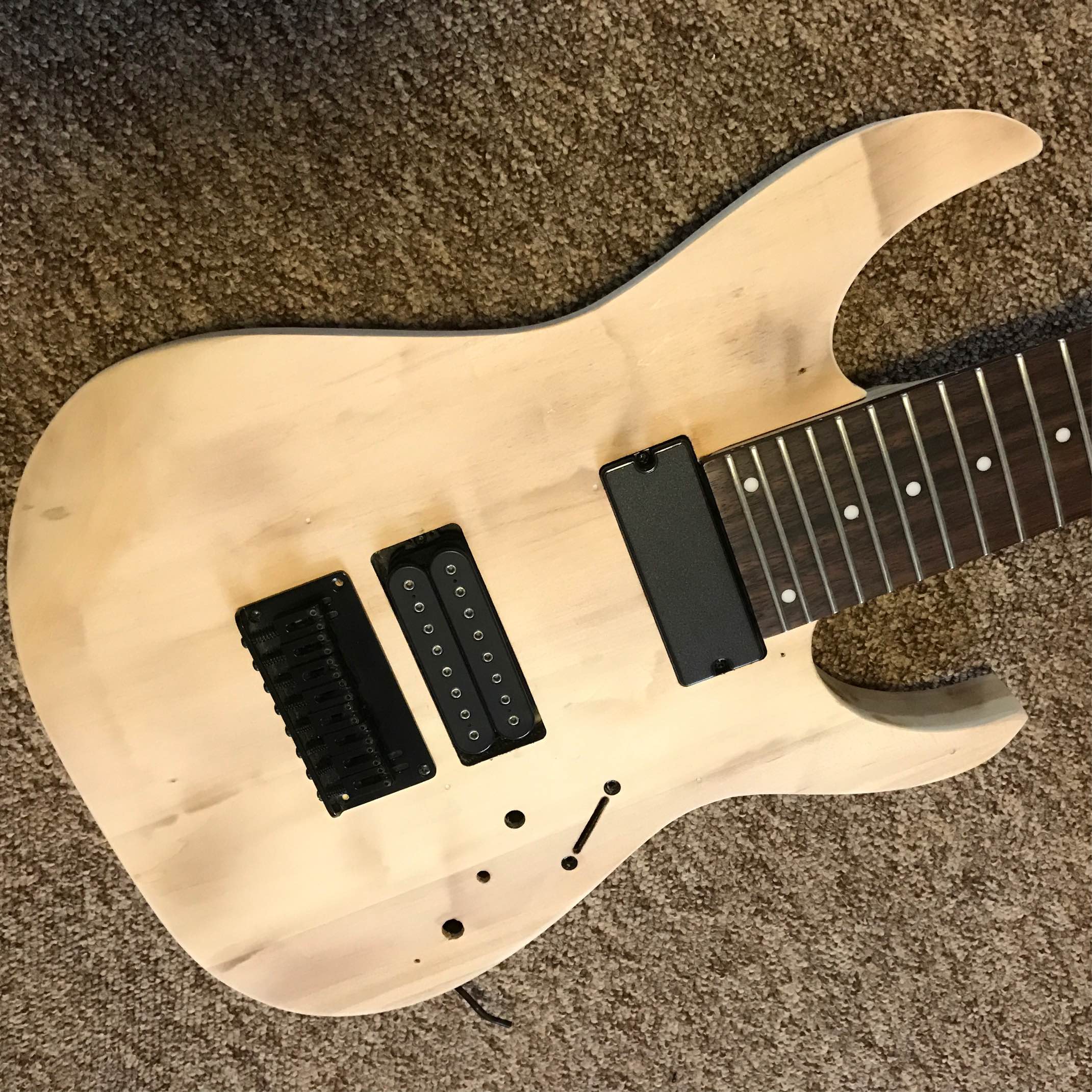
Now that you have scraped as much paint off as you can, go ahead and re-coat that same surface with another coat of stripper same procedure as the first time. You can let it sit for less time than you did before since it should already be fairly well-coated with the old stripper, which just needs a little push from a fresh application. After you have finished giving your body the second coat you can clean off your scraper(s) and paint brush, getting rid of nasty and hard paint debris that doesn't come off from drawing it across the newspaper.
HINT: For some of you it may take several coats to get the body looking the way you want it to, be patient and repeat the last few steps over and over till you get to this point.
Continue the process of application and scraping paint off the body until it looks pretty much clear of the majority of the paint. Once you think you've got the lot, take a rag or paper towel and clear out the excess from the cavities. Be thorough because the combination of paint and stripper will slowly harden into crusty junk that is very difficult to remove later!
Removing Paint From Headstock
Now flip the body over and replace the top layers of newspaper, disposing of them safely. Before proceeding on the next side, make sure that you have a clean workspace so that you can begin the process from the beginning. Clean brushes, scrapers and a fresh bowl of stripper. The only difference is that you probably not have some stripper on the sides already working its magic for you.
Just as before you will have to do the body along the grain of the wood and take it off in several layers. Again, wipe off the final remnants of paint with rags or paper towels, and dispose of them properly. Set your body up on a fresh sheet of newspaper, clean your workspace and get ready to do the sides.
At this point you shouldn't have to brush that much stripper on the body since it has likely been dripping down from the top and bottom! Scrape away any loose paint and contaminated stripper first. Apply fresh stripper around the sides and scrape paint away until your entire body is clear.
How To Remove Paint From A Guitar
Now comes the easy part! Once you have wiped all the excess paint away from the body you can either lightly sand remaining paint from difficult areas or give your body an acetone bath. That's right - Acetone! It evaporates quickly, doesn't leave a residue, plus it works wonders in removing paint from wood grain. Once it evaporates, the body is safe to handle without gloves. Bear in mind the most important safety aspects of working with Acetone. It evaporates quickly and produces a LOT of hazardous fumes which are both explosive and dangerous to breathe. Read the safety notes on the container!Bass guitars are typically made from wood, which means they are susceptible to paint damage. Whether your bass guitar has been damaged by a spill or you simply want to change the color, you’ll need to remove the paint before proceeding. There are a few different ways that you can remove paint from a bass guitar. You can use a chemical stripper, sand the paint off, or use a heat gun. Chemical strippers are the most effective way to remove paint from a bass guitar. They will quickly dissolve the paint, making it easy to wipe away. However, you need to be careful when using chemical strippers as they can damage the wood if used incorrectly. Sanding the paint off is a more labor-intensive option, but it is a safer option if you are worried about damaging the wood. You’ll need to use a fine-grit sandpaper and sand the paint off in small sections. If you are looking for a quicker option, you can use a heat gun. This will quickly remove the paint, but you need to be careful not to damage the wood with the heat. Once you have removed the paint from your bass guitar, you’ll need to sand the wood to prepare it for a new paint job. Start with a coarse-grit sandpaper and work your way up to a finer grit. When you are finished sanding, you’ll need to wipe the wood down with a damp cloth to remove any dust. Once the wood is clean, you can proceed with painting your bass guitar.
Rubbing alcohol is a powerful solvent that can cause damage to paint and other finishes. You
0 Response to "How To Take The Paint Off A Guitar"
Posting Komentar